
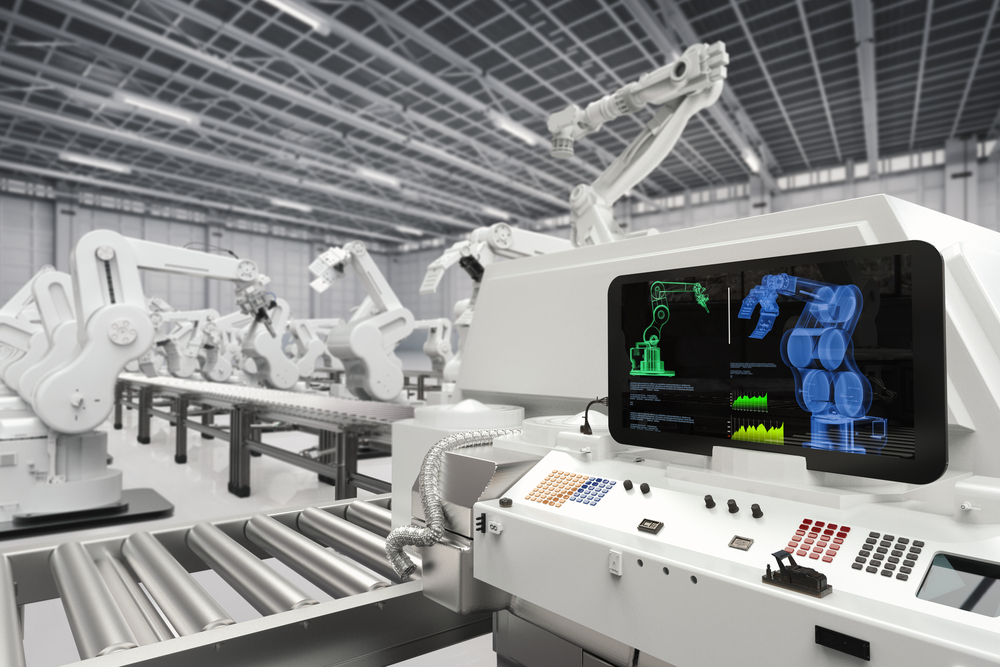
Industry 4.0 and the smart factory describe the same shift: production equipment that used to run in isolation is now connected to the network, to the cloud, and often to the supplier who maintains it. The operational benefits are real. So is the change to your risk, and it is a change most manufacturers inherit gradually rather than decide on.
The core issue is straightforward. Industrial control and SCADA systems were designed on the assumption that they sat on their own network, physically separated from everything else. Many are old, patched rarely, and supported by a vendor who will not certify changes. Connecting them to the corporate network does not make them less fragile; it just makes them reachable.
Why the factory floor is different
Office IT and operational technology fail differently. If a laptop is compromised you reimage it and the person loses an afternoon. If a line controller is compromised you may lose a shift, scrap a batch, or create a safety problem. The pressure to restore quickly is entirely different, and so is the tolerance for downtime during patching.
The precedents are well documented. NotPetya in 2017 spread far beyond its intended targets and disrupted shipping, logistics and utilities across Europe, with publicly reported losses running into hundreds of millions for individual companies. Stuxnet, years earlier, showed that industrial equipment could be manipulated directly. Neither was aimed at a mid-sized manufacturer in South Yorkshire, and that is rather the point: the damage in both cases was largely collateral.
What to secure first
Know what is connected
Most manufacturers we work with are surprised by their own inventory. Machines get network access during commissioning, remote support tunnels get opened for a vendor and never closed, and nobody holds a full list. Start there.
Separate the shop floor from the office
Production systems and office systems should not share a flat network. Segmentation means a compromised laptop in accounts cannot reach a line controller, and it is the single highest-value piece of work in most factories. It is also the one that needs planning around production schedules rather than being done in an afternoon.
Control the remote access your suppliers have
Equipment vendors often need to dial in for diagnostics. That is reasonable. Permanent, unmonitored, shared-credential access is not. Each supplier connection should be identified, time-limited and logged.
Accept that some machines cannot be patched
Where a controller runs an operating system that is out of support and the vendor will not certify an update, patching is not available to you. Isolation is. Treat those systems as fragile by design and put the controls around them instead of on them.
Watch the joins
The interesting activity happens where operational technology meets the corporate network. That boundary is where monitoring earns its place, because it is the route anything would have to take.
The compliance angle is easier than the engineering
Manufacturing carries fewer prescriptive security regulations than finance or healthcare, but customers increasingly supply their own requirements. Automotive and aerospace supply chains in particular now push security questionnaires down to their suppliers, and a contract can hinge on the answers. Cyber Essentials covers a good deal of what those forms ask.
It is manageable
None of this argues against connecting the factory. The efficiency gains are real and the businesses that avoid the whole subject are not safer, they are just less informed about their own position. It does argue for doing it deliberately: knowing what is connected, keeping production separate from the office, and controlling who can reach in from outside.
We have done this work locally — our Rotherham manufacturing client runs Cyber Essentials across both the office and the shop floor. If you would like to talk it through, we are happy to come and look at what you have.